Clear, Step-by-Step Progression

From the fundamentals to advanced applications, the course takes you through the key stages of machine learning in geoscience in a clear and structured way.

You will progress from:

  • The neuron – the basic building block of neural networks

  • The perceptron – the starting point for modern AI models

  • Deep learning – understanding multi-layer networks and how they learn

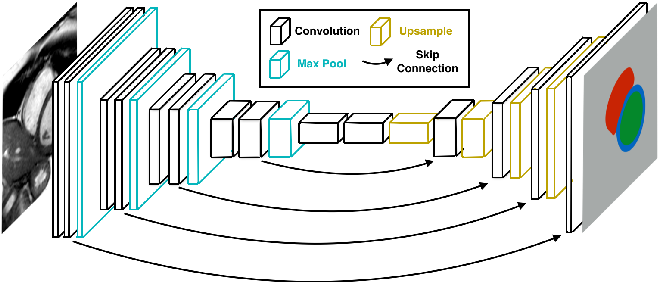
  • Convolutional neural networks (CNNs) – powerful tools for analysing geoscience data

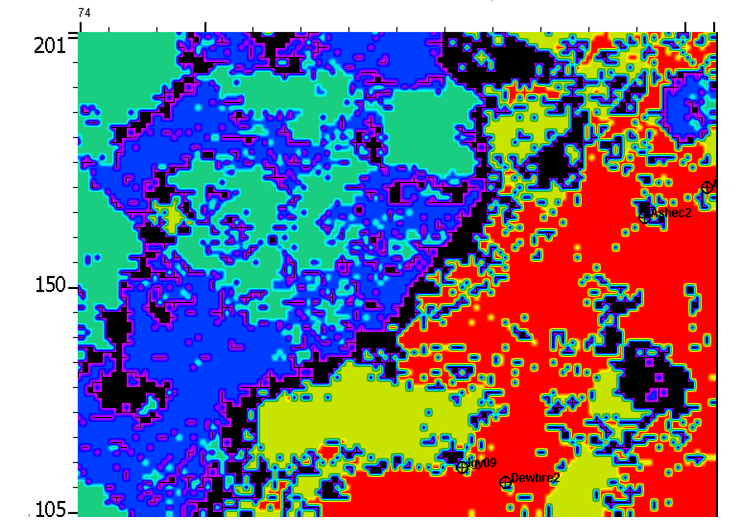
  • Real-world applications – including seismic interpretation, fault detection, inversion, and classification

The result is a step-by-step pathway designed to make machine learning in geoscience practical, understandable, and relevant to real subsurface problems.
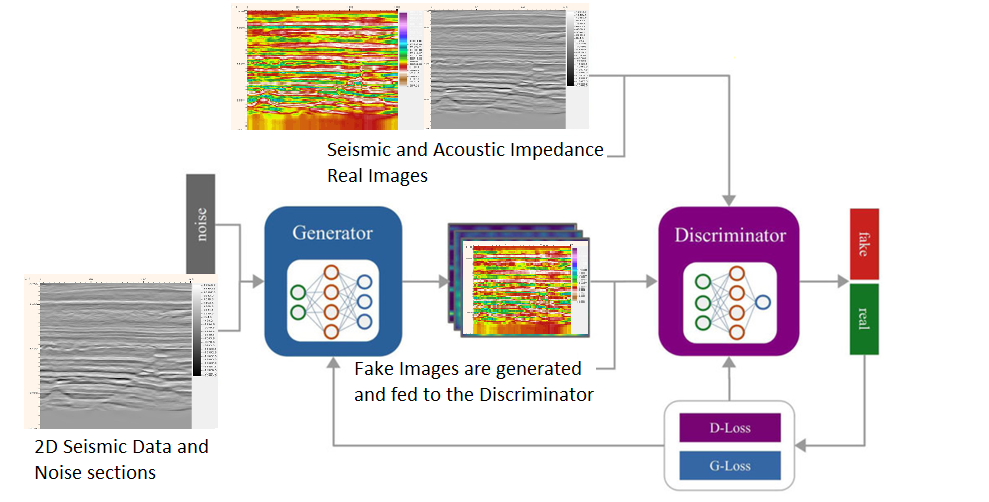
Acoustic Impedance Inversion

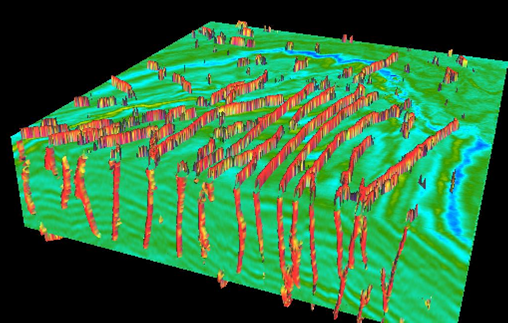
Fault Detection

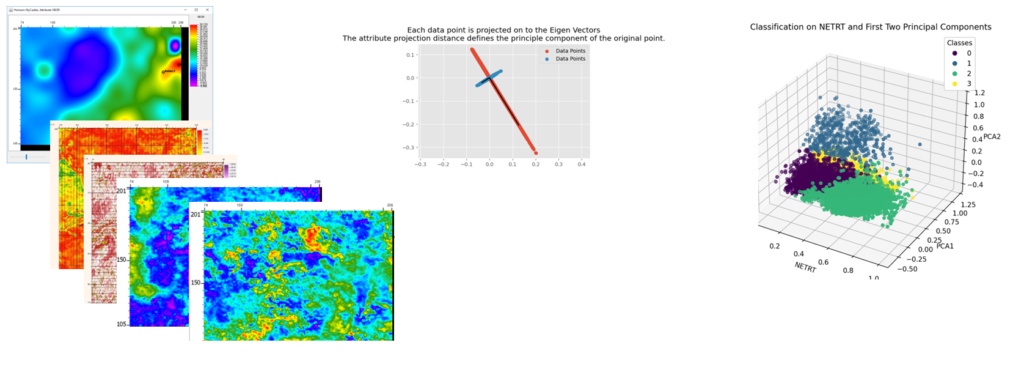
Classification of seismic attribute Principal Components

Tools You’ll Learn to Use

Throughout the course, you will work with the main tools used in modern machine learning for geoscience, learning them in context through practical exercises.

  • Python – the foundation of modern machine learning workflows

  • NumPy – efficient numerical computing

  • Scikit-learn – practical machine learning tools

  • Keras and TensorFlow – deep learning frameworks for real-world applications

  • Google Colab – cloud-based coding with no local setup required

  • SHAARC – specialist geoscience software used in the course

This gives you practical experience with the technologies used in modern geoscience machine learning workflows.

Python-Logo
Nvidia-Emblem
jupyter-logo-png_seeklogo-354673
google-tensorflow-icon

Dr Gerald Stein studied Physics and Mathematics before starting in the oil industry 30 years ago. He started working in the Western Atlas Research group under the leadership of Dr Oz Yilmaz. This group had a vast collective experience in mathematics, geophysics and programming gained whilst creating the first interpretation and inversion systems with Western Atlas Software. 

WIN_20180423_141020

In 1994, Dr Stein and a number of colleagues founded the original Pays International company. The company’s mission was to improve exploration and production success by developing inversion, seismic classification, and fault analysis workflows, together with the software needed to apply them.

To help spread these ideas, he created training courses in inversion and machine learning-based seismic classification, delivered in more than 80 courses across 15 countries. This made Pays International a well-established and widely recognised provider of geophysical inversion and machine learning training.


The company has remained at the forefront of machine learning in geoscience and continues to innovate today.